- (435) 633-4792
- 10450 S Prosperity Rd,, South Jordan, UT 84095

When you invest in a commercial slate roof for your property in South Jordan, you are making a generational capital decision. Natural slate tiles offer an unmatched slate tile lifespan that easily spans a century, but this durability requires absolute precision during the initial design phase. Before we lay a single tile, our team evaluates your building’s structural load capacity to ensure the framing can handle the substantial dead load of stone. Many modern commercial structures along the Wasatch Front need careful engineering reviews before transitioning to slate, and we coordinate this process directly to protect your property’s structural integrity.
Utah’s high-altitude climate puts roofing materials through extreme stress. The severe winter freeze-thaw performance of your roof determines whether it lasts decades or fails within a few seasons. That is why understanding the difference between hard slate vs soft slate is critical for local commercial buildings. We source high-density slate grading standards materials that resist moisture absorption, preventing the delamination and cracking caused by rapid thermal cycling resistance. By pairing these premium tiles with a heavy-duty breathable underlayment, we create a multi-layered barrier that breathes during hot summer days and sheds heavy snow loads in the winter.
The longevity of a slate roof is only as good as the metals holding it together. We use heavy-gauge copper fasteners and custom-fabricated slate flashing because standard galvanized nails will rust out long before the stone tiles ever degrade. Whether your architectural plan calls for a traditional nail-down method or a specialized slate hook installation on steep roof pitch requirements, our team executes every detail to Slate Roofing Contractors Association guidelines. From the starter course to the hand-crafted slate ridge cap, we build systems designed to remain completely wind-resistant and watertight.
If you are managing an existing historic property in the Salt Lake County area, you might not need a complete replacement. We frequently handle slate salvage and reuse projects, sourcing matching historical tiles to repair localized damage without compromising the architectural character of your building. By addressing slipped tiles and failing valley flashings early, we help property managers avoid premature replacement costs and keep their overhead predictable.
A commercial roof is a major capital asset, and choosing natural slate tiles is a decision that spans generations rather than decades. In South Jordan, where the freeze-thaw performance of a roof is tested by harsh Wasatch Front winters, choosing the right material is critical. When you work with experienced technicians who understand the nuances of hard slate vs soft slate, you protect your building from the thermal cycling resistance failures that plague lesser materials. We ensure your roof pitch requirements and structural load capacity are fully analyzed before a single tile is laid.
Beyond the sheer slate tile lifespan—which easily surpasses a century when properly installed—slate offers unmatched fire resistance and natural beauty that elevates historic and modern commercial properties alike. We use heavy-duty copper fasteners and robust slate flashing to ensure the metal components match the extreme longevity of the stone itself. This meticulous approach prevents the premature failures common when inexperienced crews cut corners on underlayment or hardware.
Unmatched Lifespan — Real natural slate tiles can easily last over a century, outlasting multiple generations of synthetic materials.
Freeze-Thaw Resilience — High-grade slate offers excellent thermal cycling resistance to withstand South Jordan's rapid winter temperature swings.
Structural Load Verification — We coordinate with structural engineers to ensure your building's framing safely supports the weight of heavy stone.
Premium Hardware Pairing — Every installation uses copper fasteners and custom slate flashing designed to match the 100-year lifespan of the tile.
Slate Salvage and Reuse — Damaged sections can often be repaired using salvaged tiles, keeping your long-term maintenance costs predictable.
In South Jordan, installing a commercial Slate Roofing system typically represents a significant capital investment, with costs varying widely based on the quarry source and structural demands. You must budget for the difference between hard slate vs soft slate, as harder varieties carry a premium but offer superior freeze-thaw performance. Beyond the natural slate tiles themselves, the estimate must include structural engineering assessments to verify your building’s structural load capacity under the International Building Code (IBC) dead-load provisions. Furthermore, using long-lasting copper fasteners and custom slate flashing instead of cheap galvanized alternatives will increase the upfront price but ensures the roof deck doesn’t fail prematurely.
Yes, in many cases, especially with newer tilt-up or light-frame commercial structures in South Jordan. Natural slate tiles are exceptionally heavy, often weighing between 800 and 1,500 pounds per square. Before we begin any Slate Roofing project, we coordinate a structural engineering assessment to verify that your roof framing complies with current IBC dead-load requirements. If the framing lacks the necessary structural load capacity, reinforcement is required before we can proceed with slate hook installation. Skipping this step risks structural sagging or catastrophic deck failure, which is why we verify these calculations before ordering materials from the quarry.
Utah’s high-altitude climate along the Wasatch Front subjects commercial properties to severe thermal cycling resistance tests every winter. In South Jordan, this rapid freezing and thawing can destroy low-grade slate. When water penetrates porous, low-quality tiles, it expands and causes delamination. That is why our Slate Roofing specifications rely strictly on the ASTM C406 slate grading standard, prioritizing S1-rated hard slate. This grade offers the highest freeze-thaw performance and a slate tile lifespan exceeding a century. We also use a heavy-duty, breathable underlayment to manage moisture migration beneath the slate ridge cap, preventing ice dams from backing up into your building. When planning this investment, you should also ensure your contractor is properly licensed. You can verify active credentials through the Utah Division of Occupational and Professional Licensing to ensure they are qualified for complex commercial installations.
You rarely need to replace an entire Slate Roofing system unless the underlying deck has rotted or the original installers used inferior fasteners that are now failing. For localized damage in South Jordan, we perform individual slate tile replacement using specialized slate hook installation techniques. We carefully slide out the broken tile, cut the old nail, and secure a matching piece in its place. We specialize in slate salvage and reuse to match the weathering of your existing roof. If you want to learn more about our team’s specialized repair capabilities, you can read about our crew and our decades of combined experience with historic preservation.
Investing in a slate roof is a multi-decade capital decision that requires precise engineering and specialized craftsmanship. Whether you are dealing with a historic restoration along the Wasatch Front or planning a new build with strict structural load capacity requirements, our team is ready to evaluate your property’s specific roof pitch and framing. We focus on proper slate grading standards and use durable copper fasteners to ensure your system stands up to South Jordan’s harsh winter freeze-thaw cycles.
Do not leave your commercial investment to general contractors who treat slate like standard shingles. Let’s discuss your project’s scope, material sourcing, and structural needs to build a roof that outlasts the building itself.
Commercial slate roofing is not a job for general contractors or standard residential shingle crews. It requires a deep understanding of structural load capacity, ASTM C406 slate grading standards, and specialized slate hook installation techniques. At Titan Roofing Group, we bring years of dedicated commercial experience to every project along the Wasatch Front. Our team coordinates directly with structural engineers to verify your building’s framing meets IBC dead-load requirements before a single natural slate tile is delivered to your job site.
As a locally owned contractor holding an active Utah Division of Occupational and Professional Licensing (DOPL) roofing license, we understand how South Jordan’s harsh winter freeze-thaw cycles impact roof systems. We do not cut corners with cheap galvanized nails or soft slate varieties that absorb moisture and delaminate under winter stress. Our experienced technicians use heavy-gauge copper fasteners and custom slate flashing to ensure your roof lasts for generations.
When you partner with Titan Roofing Group, you avoid the communication gaps of national chains and the high-risk shortcuts of break-fix crews. We back our commercial installations with clear, written workmanship warranties alongside the manufacturer’s material coverage. From the initial load assessment to the final Salt Lake County permit sign-off, we manage every detail to protect your capital investment.
A commercial roof isn’t just a weather barrier; it is a major capital asset. In South Jordan, where the Wasatch Front brings intense winter snows and scorching summer heat, choosing the wrong material can lead to premature failure. Opting for a cheap alternative often results in a 15-year replacement cycle. High-quality natural slate tiles, however, offer a slate tile lifespan that easily exceeds a century when properly installed. By selecting a material with high thermal cycling resistance, you protect your building from the constant expansion and contraction that splits lesser roofs. This long-term durability prevents catastrophic leaks that disrupt tenant operations and destroy valuable inventory.
The success of a slate roof depends entirely on the details of its execution. For instance, understanding the difference between hard slate vs soft slate is critical in Utah’s climate. Soft slate absorbs more water, making it highly susceptible to delamination during rapid freeze-thaw cycles. We source materials that meet strict ASTM C406 slate grading standards to ensure superior freeze-thaw performance. Furthermore, because slate is incredibly heavy, we always verify your building’s structural load capacity against current IBC dead-load provisions before laying a single tile. Our experienced technicians carefully calculate roof pitch requirements to ensure proper water shedding, preventing the pooling that threatens commercial structures.
Skimping on accessory materials is the fastest way to ruin a premium roof. We use heavy-duty copper fasteners and custom slate flashing rather than cheap galvanized nails or aluminum that rusts out decades before the stone does. Whether we are executing a slate hook installation for steep slopes or securing a heavy slate ridge cap, every detail is engineered to match the stone’s longevity. If your historic property already has a slate roof, we also offer slate salvage and reuse options to preserve its architectural character while replacing failed underlayments with modern, breathable underlayment. Doing the job right the first time means you avoid the costly cycle of constant repairs.
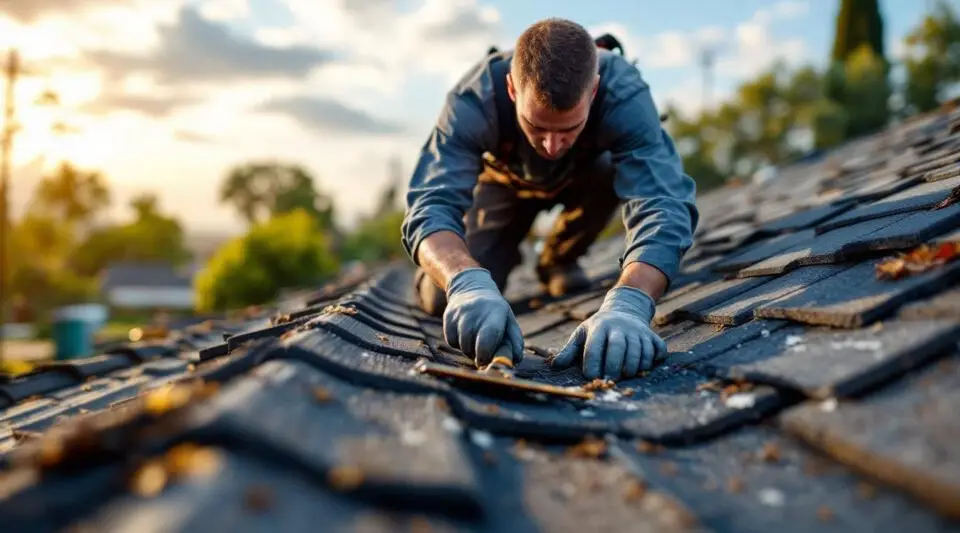
Commercial properties along the Wasatch Front face intense climate challenges, from blistering high-altitude UV rays in July to heavy snow loads and ice dams in January.
Learn more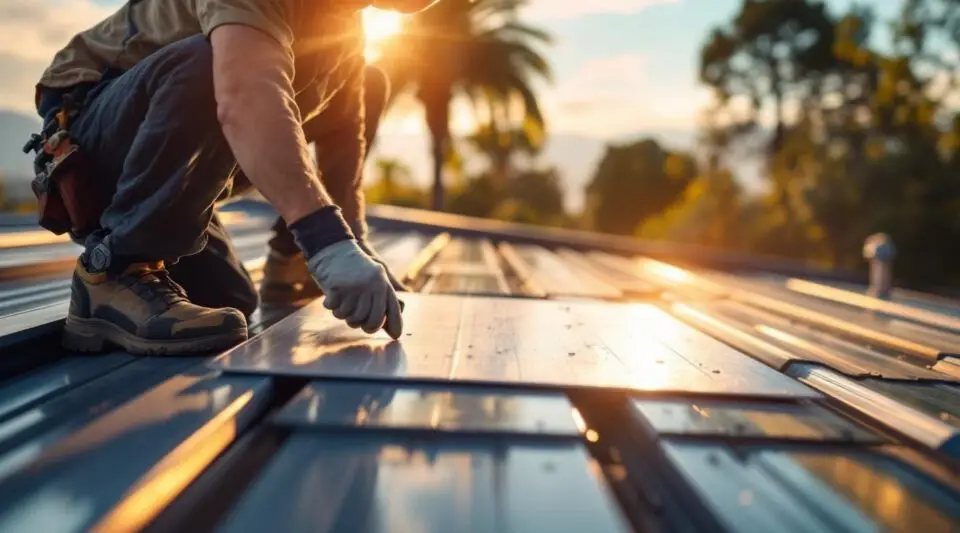
Commercial properties along the Wasatch Front face a brutal combination of high-altitude UV rays, intense wind uplift forces, and heavy winter snowpacks.
Learn more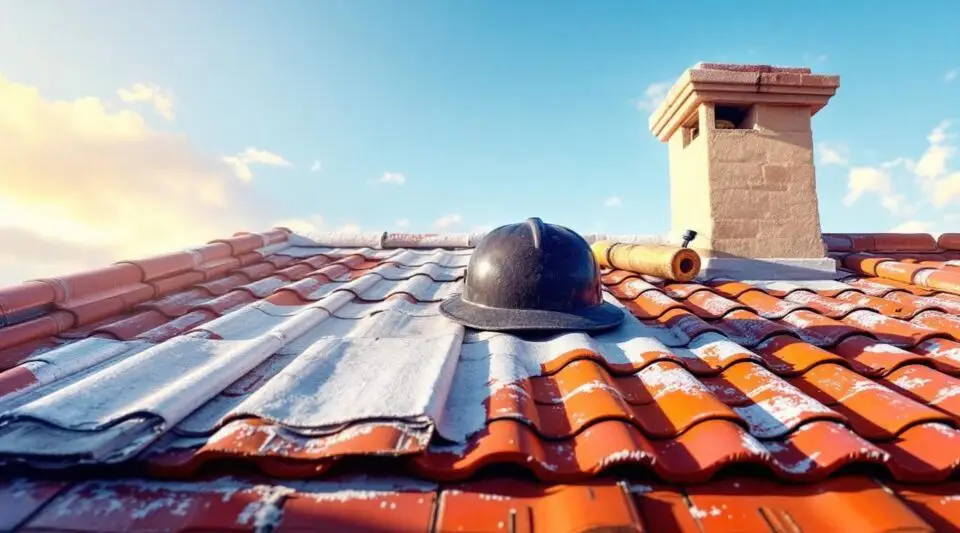
Commercial properties along the Wasatch Front demand roofing systems that balance striking visual appeal with long-term structural resilience.
Learn more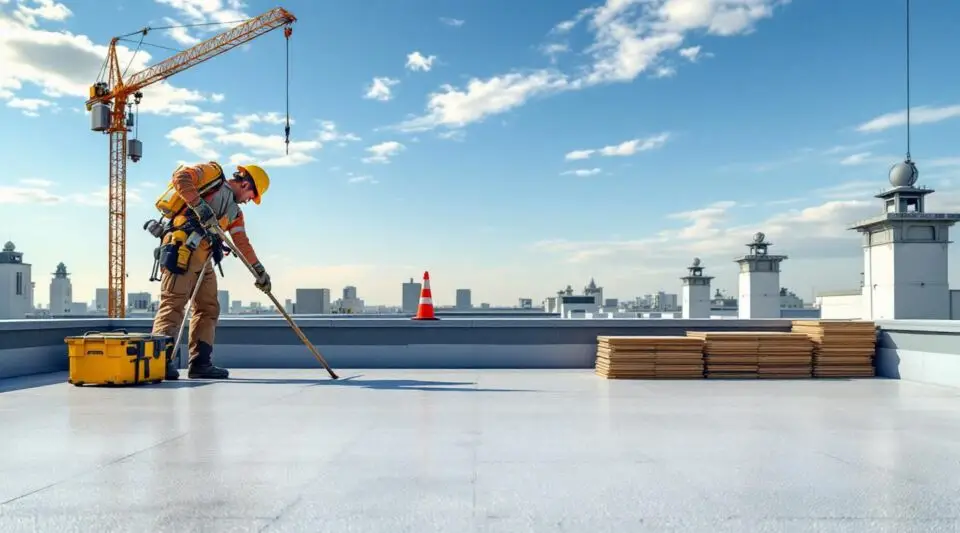
Commercial buildings along the Wasatch Front face unique environmental challenges that quickly expose any shortcut taken during a low-slope roofing project.
Learn more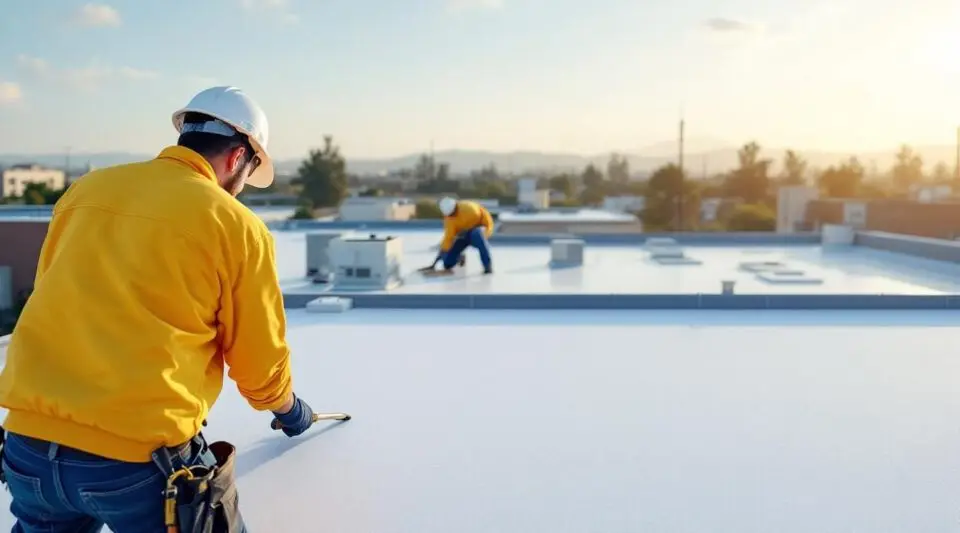
If you manage a commercial facility along the South Jordan and Daybreak corridor, you know that Utah’s high-altitude UV index and winter freeze-thaw cycles test every square inch of your building.
Learn more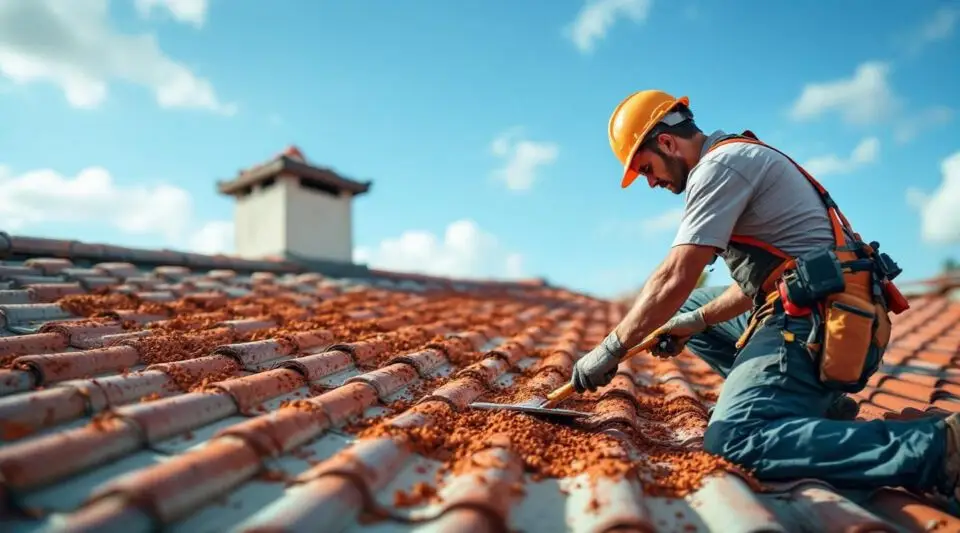
Commercial structures along the Wasatch Front demand roofing systems that do more than shed water; they must withstand intense alpine UV radiation, heavy snow loads, and rapid temperature swings.
Learn more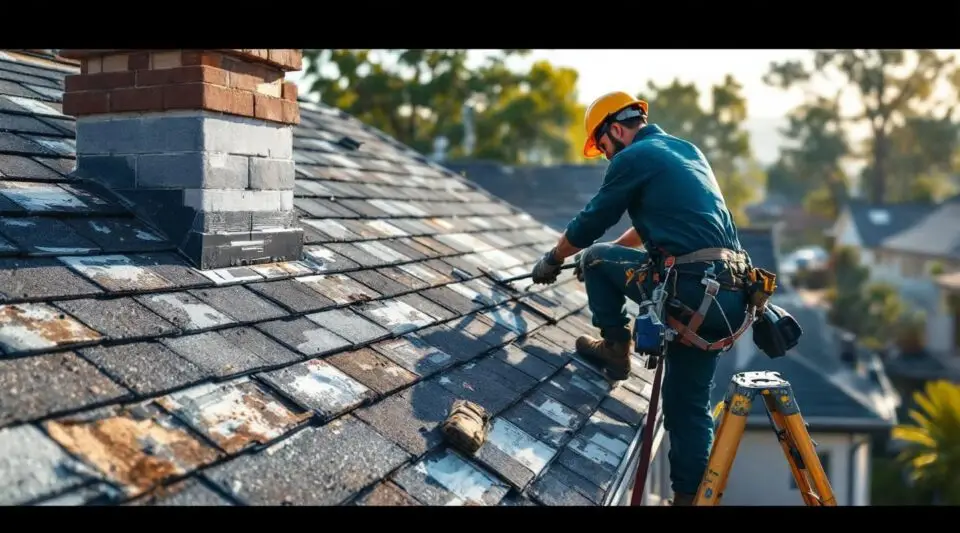
Commercial properties along the Wasatch Front demand roofing systems that can withstand intense high-altitude UV exposure and rapid freeze-thaw cycles.
Learn more
Flat commercial roofs along the Wasatch Front face a brutal combination of high-altitude UV rays and extreme freeze-thaw cycles.
Learn more
Commercial flat roofs along the Wasatch Front face brutal environmental stress.
Learn moreSanta Ana Roofing just put a new roof on our house. They gave a clear quote and a schedule that made sense. The workers worked hard every day and kept the job site clean. A professional put the roof on, and it looks great. Everything seemed easy and well-planned.
Anna Miller
We had an issue with our roof leaking at the office, and they came in, replaced the shingles, and fixed the damage. Professional and reliable.
Beatrice Taylor
We hired Santa Ana Roofing to fix our flat roof. They talked about the materials they used and made sure the sealing was done correctly. The process went well, and the results have stayed nice.
Linda Gregory
After getting a roof inspection, they recommended replacing the shingles. The job was done on time, and the new roof looks fantastic.
Angelia Eichelberger
This roofing company went above and beyond what I expected. They employed high-quality materials, kept us updated on the project's progress, and finished ahead of schedule. The new roof looks great, and I trust the work they did.
Debbie Land