- (435) 633-4792
- 10450 S Prosperity Rd,, South Jordan, UT 84095

Commercial flat roofs along the Wasatch Front face brutal environmental stress. At an elevation of 4,400 feet, South Jordan buildings endure relentless UV degradation that bakes single-ply membranes until they crack, while winter freeze-thaw cycles turn minor seam separations into active leaks. If your TPO, EPDM, or metal roof is approaching the 10- to 15-year mark, you do not necessarily need a costly, disruptive tear-off. A professional flat roof restoration using a high-solids silicone roof coating can seal your entire deck, creating a seamless, monolithic barrier that stops leaks in their tracks.
The success of any elastomeric coating depends entirely on substrate preparation. We do not just spray over dirt and hope for the best. First, our team pressure washes the surface, probes every single lap joint, and performs critical seam reinforcement with heavy-duty flashing compounds. We measure the wet and dry mil thickness with precision gauges to ensure the application meets strict manufacturer specifications for long-term ponding water resistance. This meticulous prep work is what separates a temporary cosmetic fix from a robust, warranted roof restoration that stands up to standing water.
By upgrading to a reflective membrane, you also fundamentally change how your building handles heat. These cool roof systems deliver exceptional solar reflectance index and thermal emittance values, bouncing solar radiation back into the atmosphere instead of absorbing it into your plenum space. This dramatically lowers your summer cooling loads and eases the strain on your rooftop HVAC units. When the coating recoat cycle finally arrives in 10 or 15 years, the existing layer can simply be cleaned and recoated, saving you from ever paying for a landfill-bound tear-off again.
South Jordan sits at roughly 4,400 feet elevation, exposing commercial buildings to intense UV degradation and extreme thermal cycling. Applying an elastomeric coating or a high-solids silicone roof coating forms a seamless, reflective membrane directly over your existing substrate. This shield blocks solar radiation, lowering roof surface temperatures by up to 50 degrees and reducing the load on your building’s HVAC systems.
Instead of paying for a disruptive tear-off, this process acts as a complete flat roof restoration at a fraction of the cost. Our experienced technicians focus heavily on meticulous substrate preparation and seam reinforcement before applying the liquid membrane. This ensures the system meets the exact dry mil thickness required to deliver reliable ponding water resistance, preventing leaks from taking hold during Utah’s heavy spring snowmelts.
By choosing a cool roof upgrade, you also establish a predictable coating recoat cycle. Every ten to fifteen years, we can simply clean the surface and apply a thin topcoat to renew the system’s high solar reflectance index and thermal emittance. This proactive approach keeps your building protected indefinitely, completely bypassing the landfill waste and capital expense of traditional roof replacement.
COOL ROOF EFFICIENCY — High solar reflectance index ratings bounce heat away, cutting summer cooling bills by up to thirty percent.
PONDING WATER RESISTANCE — High-solids silicone formulations withstand standing water without softening, blistering, or losing adhesion.
PREVENT DEGRADATION — Elastomeric barriers protect underlying TPO or EPDM membranes from intense high-altitude UV degradation.
REDUCED DISRUPTION — Liquid application cures quickly without the noise, heavy debris, or chemical odors of a full tear-off.
RENEWABLE LIFESPAN — Establishing a regular coating recoat cycle allows you to extend your roof's service life indefinitely.
Not always, but it is an outstanding alternative if your underlying insulation is dry and the structure is sound. Flat roof restoration works by applying a high-solids silicone roof coating over your existing membrane, which seals leaks and blocks UV degradation without the massive cost of a tear-off. However, if your roof has widespread wet insulation or structural sagging, a coating will trap moisture and fail. We always conduct a thorough physical inspection and moisture scan first. If you want to see how this fits into our broader capabilities, you can browse our services to compare restoration with full replacement options.
A professionally applied silicone roof coating typically lasts 10 to 20 years, depending on the dry mil thickness specified in your contract. In South Jordan, our high elevation of roughly 4,400 feet means intense UV exposure and rapid thermal cycling. Silicone excels here because it resists UV degradation far better than acrylic options and maintains excellent ponding water resistance during winter snowmelts. Once the initial coating reaches the end of its lifecycle, we can clean the surface and apply a new layer, starting a new coating recoat cycle without needing a tear-off.
Yes, commercial roof restoration projects in South Jordan and surrounding Salt Lake County often require a building permit if they alter the fire classification of the roof assembly. As a licensed contractor with the Utah Division of Occupational and Professional Licensing, we handle the entire permitting process for you. We ensure the reflective membrane meets local energy codes and that the application complies with municipal structural guidelines, preventing any costly compliance issues down the road.
The primary differences lie in water resistance and chemistry. An acrylic coating is water-based, making it highly cost-effective and easy to apply in dry, warm weather. However, acrylics can re-emulsify if subjected to standing water. A silicone roof coating is solvent-based and impervious to ponding water, making it the superior choice for flat commercial roofs along the Wasatch Front where heavy winter snow sits and melts. Silicone also offers superior solar reflectance index ratings and thermal emittance, which translates to lower summer cooling bills for your facility.
Don’t wait until ponding water or intense Wasatch Front UV degradation turns a minor seam separation into an expensive interior flood. Our flat roof restoration systems are designed to seal leaks, lower cooling costs, and bypass the massive disruption of a full tear-off.
Reach out to our crew today to schedule a detailed roof condition assessment. We will walk your deck, measure the existing membrane, and specify the exact mil thickness your building needs to stay dry for the next ten to twenty years.
Applying a commercial roof coating along the Wasatch Front requires a deep understanding of our unique high-elevation climate. At Titan Roofing Group, we do not believe in the rushed, single-coat applications favored by out-of-state national chains. Our crew holds a current Utah Division of Occupational and Professional Licensing (DOPL) roofing contractor license, ensuring every commercial project meets strict local building codes. We treat substrate preparation as the most critical phase of the job, pressure washing away Salt Lake County dust and reinforcing every seam before a single gallon of silicone or acrylic is applied.
Our experienced technicians are certified by leading manufacturers to apply high-solids silicone and elastomeric systems at the exact mil thickness required for long-term ponding water resistance. Unlike break-fix handymen who use cheap, unrated retail products, Titan Roofing Group uses CRRC-rated materials that deliver verified solar reflectance index performance. We do not hide behind vague workmanship promises; instead, we offer clear, registered manufacturer warranties that protect your building for up to twenty years.
South Jordan sits at an elevation of roughly 4,400 feet, exposing commercial buildings to extreme UV degradation and intense thermal cycling. Over time, this constant solar radiation bakes TPO, EPDM, and metal membranes, causing them to crack, shrink, and lose their flexibility. Applying a high-performance reflective membrane with high solar reflectance index and excellent thermal emittance acts as a shield, bouncing heat away from your facility. This cool roof upgrade significantly lowers cooling costs while preventing the substrate from degrading prematurely under the harsh Utah sun.
Water is the ultimate enemy of any flat commercial structure, especially during Utah’s brutal freeze-thaw cycles. When winter snow melts and pools on your roof, it exploits weak seams, flashings, and minor punctures. By executing meticulous substrate preparation and seam reinforcement, we apply a seamless barrier that offers permanent ponding water resistance. If you explore all our services, you will see how proactive maintenance prevents minor seam failures from turning into catastrophic interior leaks that disrupt your tenants or inventory.
Waiting too long to address an aging roof is a costly mistake. Once moisture penetrates the roof assembly and saturates the underlying insulation, the roof is no longer a candidate for a simple elastomeric coating or acrylic coating. At that stage, building codes and structural integrity demand a complete, disruptive tear-off and replacement. By applying a silicone roof coating to a precise mil thickness during the optimal coating recoat cycle, you complete a successful flat roof restoration at a fraction of the cost, extending its service life by decades without interrupting your daily business operations.
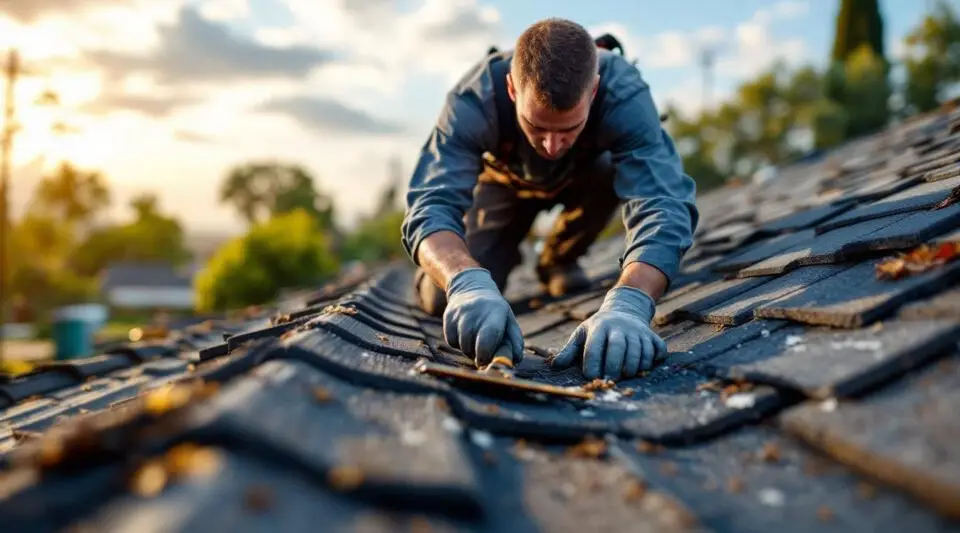
Commercial properties along the Wasatch Front face intense climate challenges, from blistering high-altitude UV rays in July to heavy snow loads and ice dams in January.
Learn more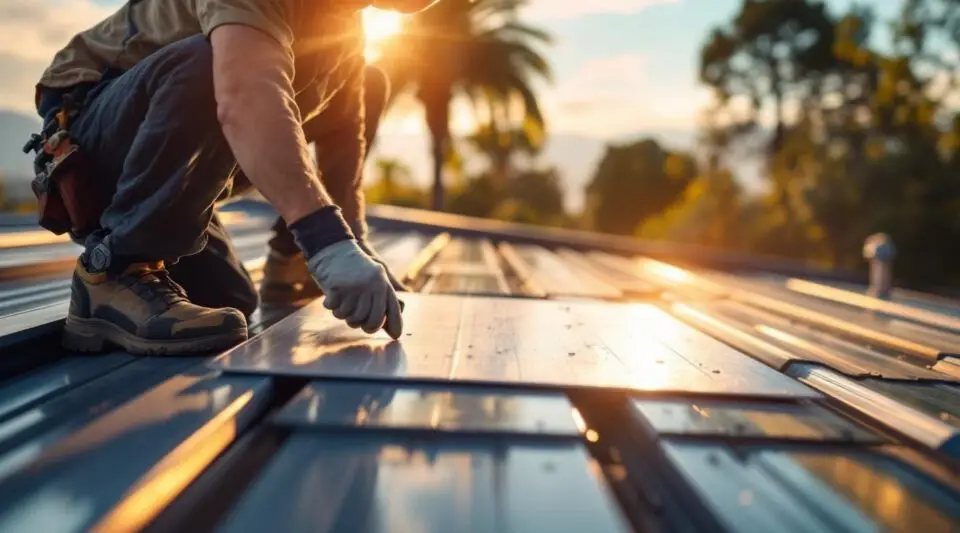
Commercial properties along the Wasatch Front face a brutal combination of high-altitude UV rays, intense wind uplift forces, and heavy winter snowpacks.
Learn more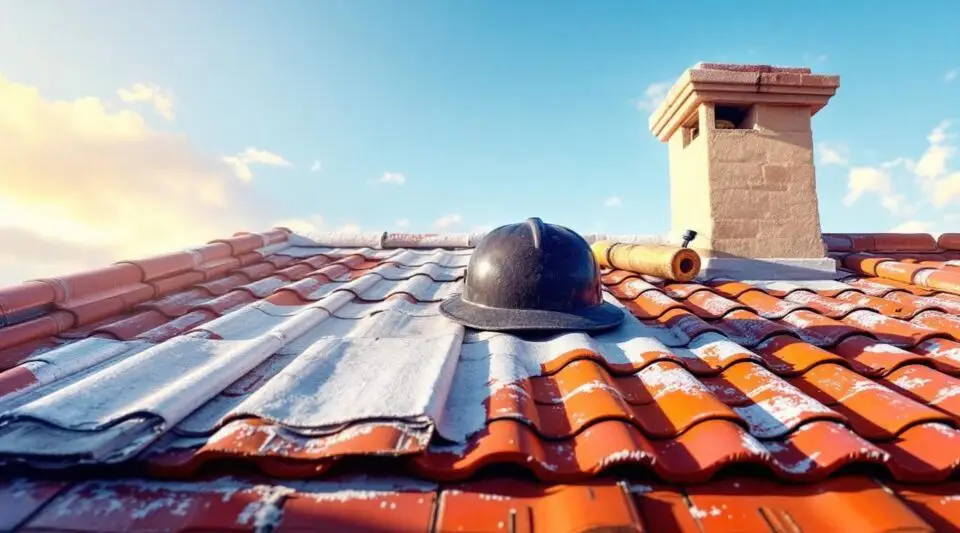
Commercial properties along the Wasatch Front demand roofing systems that balance striking visual appeal with long-term structural resilience.
Learn more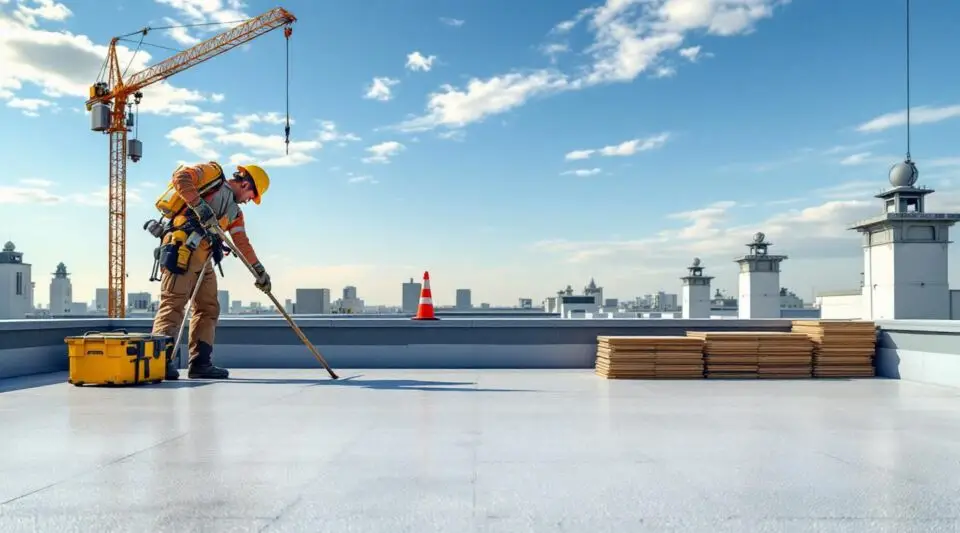
Commercial buildings along the Wasatch Front face unique environmental challenges that quickly expose any shortcut taken during a low-slope roofing project.
Learn more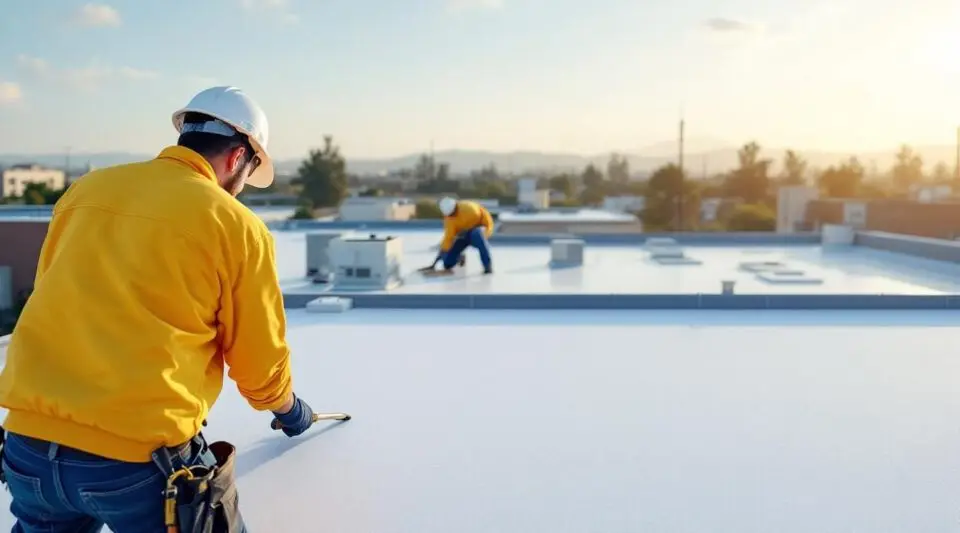
If you manage a commercial facility along the South Jordan and Daybreak corridor, you know that Utah’s high-altitude UV index and winter freeze-thaw cycles test every square inch of your building.
Learn more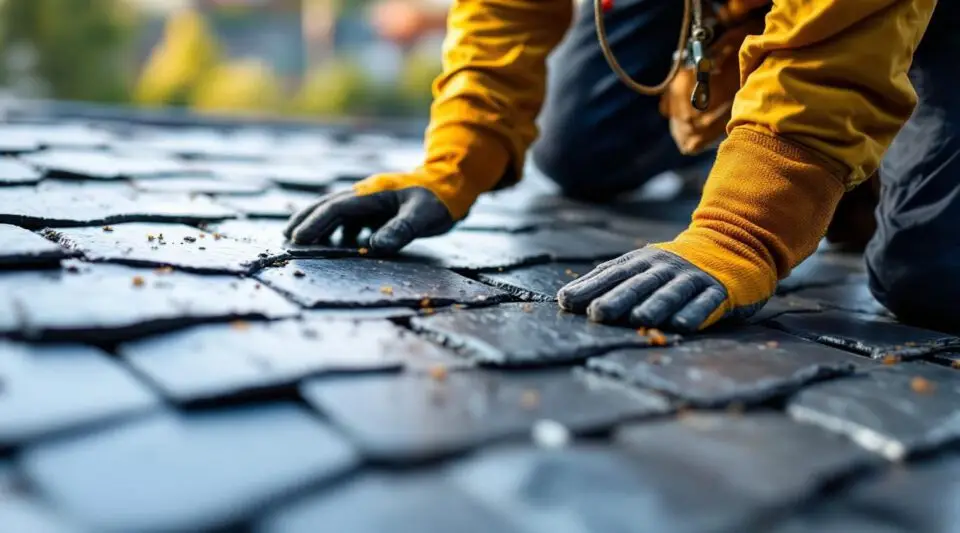
When you invest in a commercial slate roof for your property in South Jordan, you are making a generational capital decision.
Learn more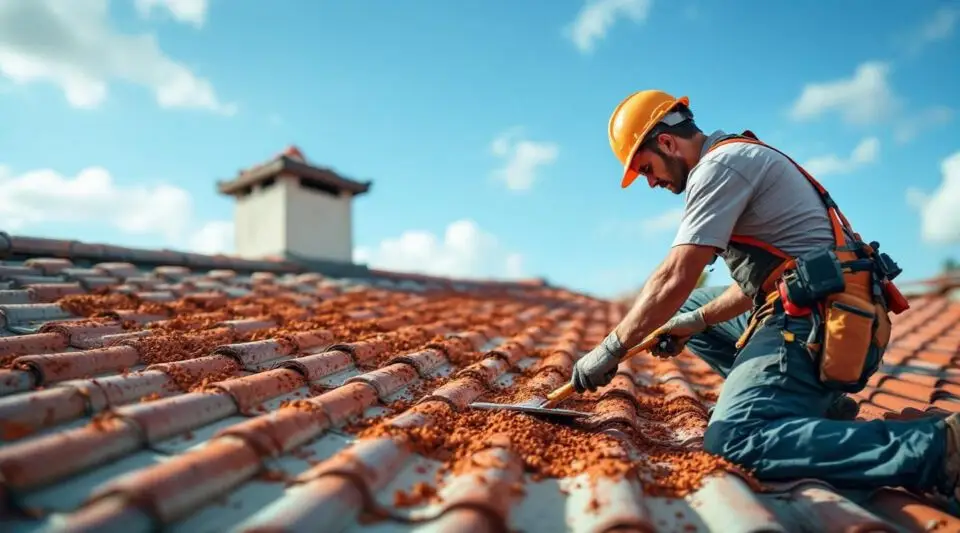
Commercial structures along the Wasatch Front demand roofing systems that do more than shed water; they must withstand intense alpine UV radiation, heavy snow loads, and rapid temperature swings.
Learn more
Commercial properties along the Wasatch Front demand roofing systems that can withstand intense high-altitude UV exposure and rapid freeze-thaw cycles.
Learn more
Flat commercial roofs along the Wasatch Front face a brutal combination of high-altitude UV rays and extreme freeze-thaw cycles.
Learn more
We hired Santa Ana Roofing to fix our flat roof. They talked about the materials they used and made sure the sealing was done correctly. The process went well, and the results have stayed nice.
Linda Gregory
After getting a roof inspection, they recommended replacing the shingles. The job was done on time, and the new roof looks fantastic.
Angelia Eichelberger
Santa Ana Roofing just put a new roof on our house. They gave a clear quote and a schedule that made sense. The workers worked hard every day and kept the job site clean. A professional put the roof on, and it looks great. Everything seemed easy and well-planned.
Anna Miller
We had an issue with our roof leaking at the office, and they came in, replaced the shingles, and fixed the damage. Professional and reliable.
Beatrice Taylor
This roofing company went above and beyond what I expected. They employed high-quality materials, kept us updated on the project's progress, and finished ahead of schedule. The new roof looks great, and I trust the work they did.
Debbie Land