- (435) 633-4792
- 10450 S Prosperity Rd,, South Jordan, UT 84095

Commercial flat roof systems in South Jordan face a brutal climate. Between the intense, high-altitude UV rays beating down in July and the relentless freeze-thaw cycles of Salt Lake County winters, your facility needs a roof that stretches without cracking. That is where ethylene propylene diene monomer—commonly known as EPDM—comes in. This heavy-duty, UV-resistant rubber membrane has been the workhorse of low-slope roofing for decades, offering commercial property owners an incredibly resilient shield against the elements.
When you choose Titan Roofing Group, our experienced technicians help you navigate the critical decisions that dictate your roof’s lifespan. We do not believe in one-size-fits-all specifications. For instance, choosing between a budget-friendly 45 mil membrane and a high-puncture-resistant 60 mil membrane depends entirely on your building’s foot traffic and local hail risks. We carefully evaluate your roof deck substrate and existing flat roof drainage to recommend the ideal setup, whether that means a fully adhered installation using high-grade membrane splice adhesive or a mechanically fastened membrane designed to handle high winds.
We also specialize in ballasted system setups, which use heavy gravel or concrete pavers to keep the single-ply membrane secure without puncturing the deck. Every seam we seal is reinforced with heavy-duty EPDM seam tape to prevent the typical separation issues that plague poorly installed systems. By focusing on precision around drains, scuppers, and parapet walls, we ensure your building remains dry and operational, minimizing downtime so your business along the Bangerter Highway corridor never misses a beat.
Managing a commercial property along the Bangerter Highway corridor means dealing with intense high-altitude solar radiation and rapid temperature shifts. A heavy-duty ethylene propylene diene monomer roof acts as a shield against these harsh elements. Unlike materials that crack under constant UV exposure, this UV-resistant rubber membrane expands and contracts naturally without losing its structural integrity. When our experienced technicians install these systems, we focus on matching the membrane thickness to your building’s specific physical demands, ensuring your inventory and operations remain dry year-round.
Beyond weather resistance, the long-term economic advantages of a single-ply membrane are hard to ignore. Whether you choose a fully adhered installation or a ballasted system, the lifecycle costs of EPDM are incredibly low compared to traditional built-up roofs. Maintenance is straightforward, and localized membrane patching or seam repairs can easily extend the roof’s life past the thirty-year mark. We carefully evaluate your existing roof deck substrate and flat roof drainage setup to prevent standing water from stressing the EPDM seam tape, giving you a commercial flat roof system that simply does its job without constant oversight.
UV Radiation Defense — The high-altitude sun in South Jordan won't degrade this synthetic rubber, preventing premature cracking and leaks.
Flexible Installation Methods — We tailor the project to your structure using either a fully adhered installation or a heavy ballasted system.
Exceptional Lifespan — A properly installed 60 mil membrane easily delivers up to thirty years of reliable service with minimal maintenance.
Puncture Resistance — Thick rubber membranes protect your facility from the occasional severe hail events common in Salt Lake County.
Simplified Maintenance — Repairs are highly localized, meaning we can patch specific areas or reinforce seams without a costly full tear-off.
EPDM Roofing is exceptionally well-suited for the harsh climate in South Jordan. Because our high-altitude UV index accelerates the degradation of many materials, using a UV-resistant rubber membrane is a smart long-term investment. This single-ply membrane shrugs off intense summer heat without blistering, and it remains highly flexible even when Salt Lake Valley temperatures plunge below freezing in the winter. This elasticity is crucial during our intense freeze-thaw cycles, as it prevents the material from cracking when the roof deck substrate shifts. For commercial properties along Bangerter Highway, we typically recommend a thicker 60 mil membrane to provide extra durability against occasional hail events and physical wear.
Yes, any commercial flat roof system replacement or major modification in South Jordan requires a building permit. The city operates under Salt Lake County building codes, which mandate a plan review before we can begin work on your property. This process ensures your roof deck substrate can handle the load, especially if you are transitioning to a ballasted system that uses heavy river stone. As a licensed commercial contractor registered with the Utah Division of Occupational and Professional Licensing, we handle the entire permitting process for you. We make sure the design meets local energy codes and structural requirements, preventing costly code-compliance delays during your project.
The main difference lies in how we secure the ethylene propylene diene monomer to your building. In a ballasted system, we lay the membrane loose over the insulation and weigh it down with large river stones or concrete pavers. It is fast to install and highly cost-effective for large warehouses, but the building structure must support the immense weight. A fully adhered installation uses a high-strength membrane splice adhesive to bond the rubber directly to the substrate. This method is highly wind-resistant and perfect for buildings with lower load tolerances. If you are researching options, you can browse our services to see how we match these systems to your specific building design and operational needs.
Seam failures on a commercial flat roof system usually happen when standing water degrades the adhesive over time, or when extreme freeze-thaw cycles pull the sheets apart. If your flat roof drainage is poor, ponding water puts constant pressure on these joints. To fix this, we do not just slap on some caulk. Our crew cleans the weathered membrane, applies a specialized primer, and uses heavy-duty EPDM seam tape along with a robust membrane splice adhesive to create a vulcanized bond. Catching these issues early during a spring inspection prevents moisture from rotting your roof deck substrate and ruining your interior inventory.
South Jordan’s high-altitude sun and intense freeze-thaw cycles demand a commercial flat roof system that won’t crack under pressure. Whether you need a fully adhered installation for a retail center along Bangerter Highway or a ballasted system for a large warehouse, our crew is ready to evaluate your roof deck substrate and design a long-lasting solution.
Don’t wait for a failed seam to disrupt your daily operations. Contact us today to schedule a comprehensive roof assessment and get an honest, clear breakdown of your options.
Commercial flat roof systems in the Salt Lake Valley face brutal environmental stress. Between the intense high-altitude UV radiation and rapid freeze-thaw cycles, a generic, rushed installation will fail at the seams within a few seasons. At Titan Roofing Group, we do not treat EPDM roofing as a side gig or a simple roll-and-stick job. Our crew specializes in low-slope roofing, bringing years of hands-on experience with ethylene propylene diene monomer installations. We understand how local weather impacts membrane splice adhesive and seam tape curing, ensuring every fully adhered installation or ballasted system we lay down is built to last.
Unlike national chains that dispatch subcontracted crews or break-fix handymen who lack commercial credentials, we are a locally owned business fully licensed through the Utah Division of Occupational and Professional Licensing. We employ experienced technicians who understand the structural demands of South Jordan’s commercial developments. We help you navigate local building codes, evaluate whether a re-cover is legally permissible over your existing roof deck substrate, and specify the exact membrane thickness—whether a budget-conscious 45 mil membrane or a high-durability 60 mil membrane—that fits your building’s operational needs. When you partner with Titan Roofing Group, you work directly with local specialists who stand behind their workmanship.
Commercial buildings along the Bangerter Highway corridor face brutal environmental stress year after year. South Jordan’s high-altitude UV index rapidly degrades inferior roofing materials, while the Salt Lake Valley’s intense freeze-thaw cycles put immense pressure on flat roof drainage systems. Choosing a heavy-duty ethylene propylene diene monomer system isn’t just about putting a black rubber sheet over your building; it is a long-term strategy to prevent catastrophic water intrusion. A properly specified UV-resistant rubber membrane acts as a continuous shield, absorbing thermal shock and resisting punctures from occasional Salt Lake County hail events that easily crack brittle materials.
Neglecting the specifics of your commercial flat roof system can lead to devastating consequences inside your facility. When cheap membranes fail, water creeps silently into the roof deck substrate, rotting structural wood or rusting steel decking long before a drip appears on your warehouse ceiling. By working with experienced technicians who understand the physical mechanics of low-slope roofing, you avoid the trap of premature seam failures. We focus on the critical details, using high-grade membrane splice adhesive and heavy-duty EPDM seam tape to ensure every lap joint is chemically fused, preventing the common leaks that plague poorly installed single-ply membrane roofs.
A robust installation delivers predictable, decades-long protection with minimal maintenance overhead. Whether you select a fully adhered installation for maximum wind uplift resistance, a mechanically fastened membrane for lightweight durability, or a cost-effective ballasted system secured by washed river stone, the investment pays off in structural longevity. Specifying a thicker 60 mil membrane over a standard 45 mil membrane provides the extra puncture resistance needed to handle routine foot traffic from HVAC service crews. Ultimately, a properly engineered roof keeps your operations running without the constant threat of inventory damage, mold remediation, or sudden, code-enforced tear-offs.
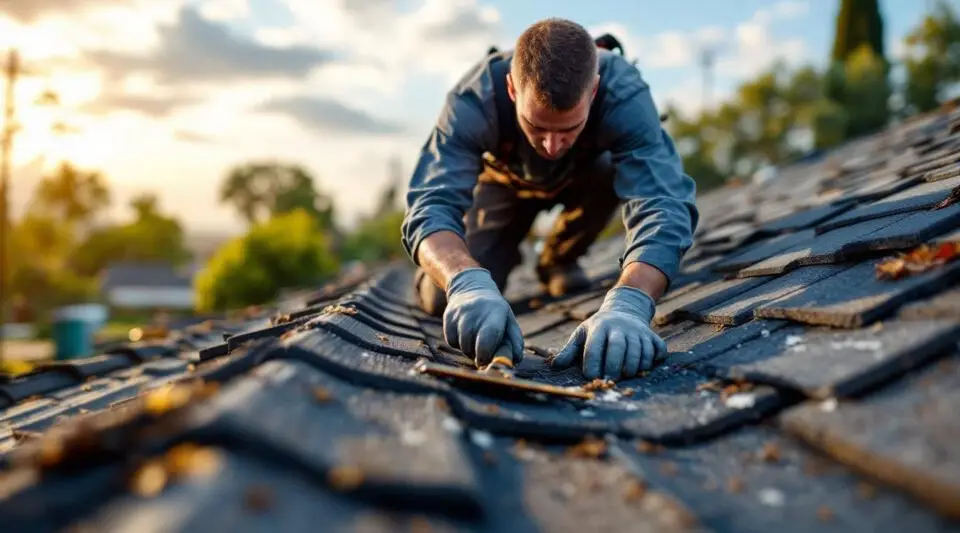
Commercial properties along the Wasatch Front face intense climate challenges, from blistering high-altitude UV rays in July to heavy snow loads and ice dams in January.
Learn more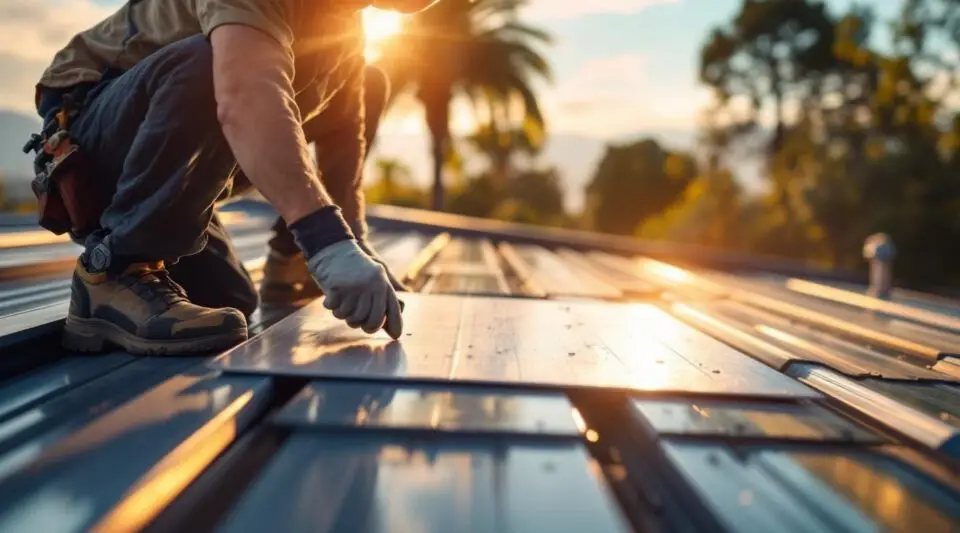
Commercial properties along the Wasatch Front face a brutal combination of high-altitude UV rays, intense wind uplift forces, and heavy winter snowpacks.
Learn more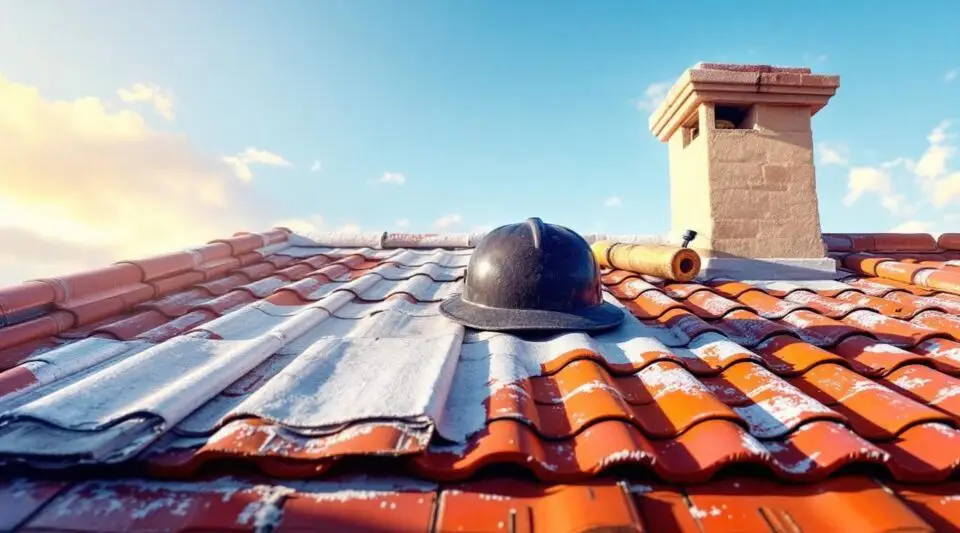
Commercial properties along the Wasatch Front demand roofing systems that balance striking visual appeal with long-term structural resilience.
Learn more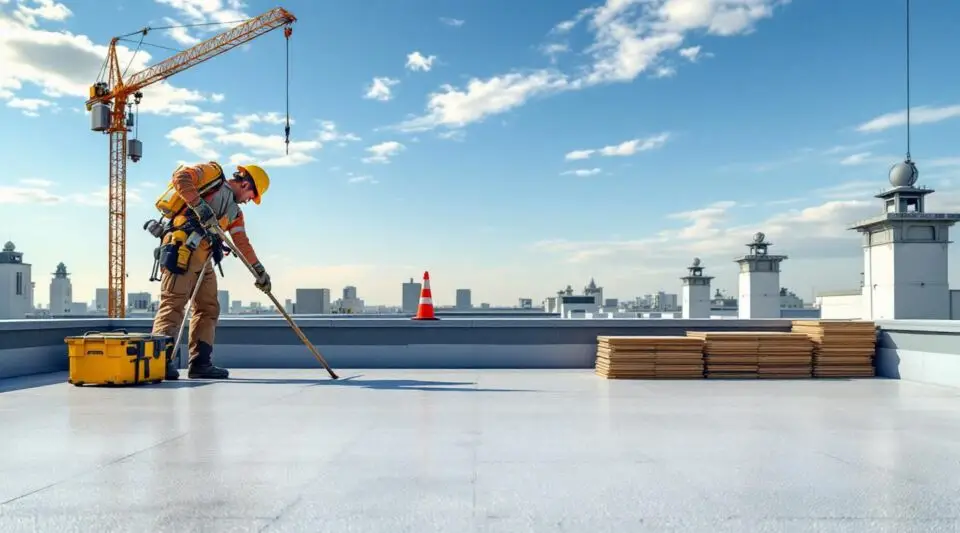
Commercial buildings along the Wasatch Front face unique environmental challenges that quickly expose any shortcut taken during a low-slope roofing project.
Learn more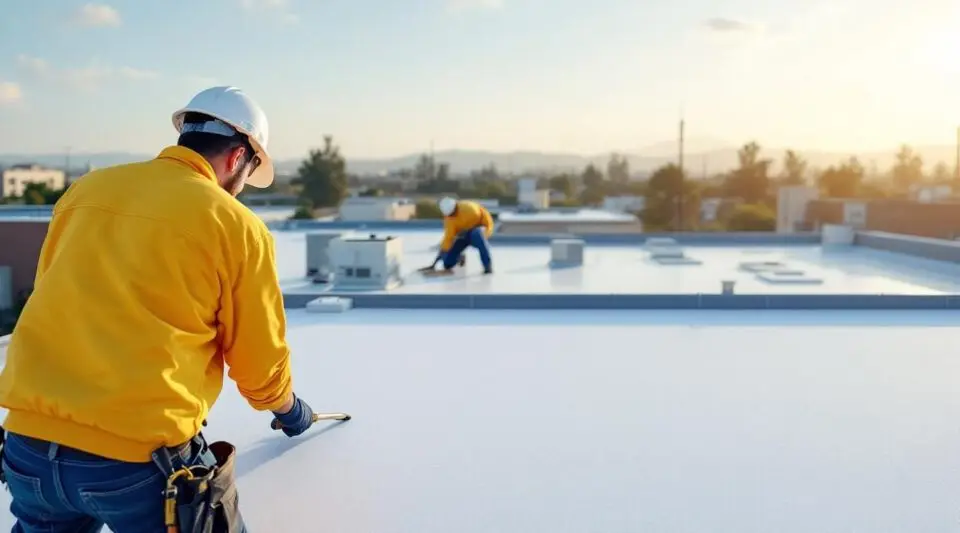
If you manage a commercial facility along the South Jordan and Daybreak corridor, you know that Utah’s high-altitude UV index and winter freeze-thaw cycles test every square inch of your building.
Learn more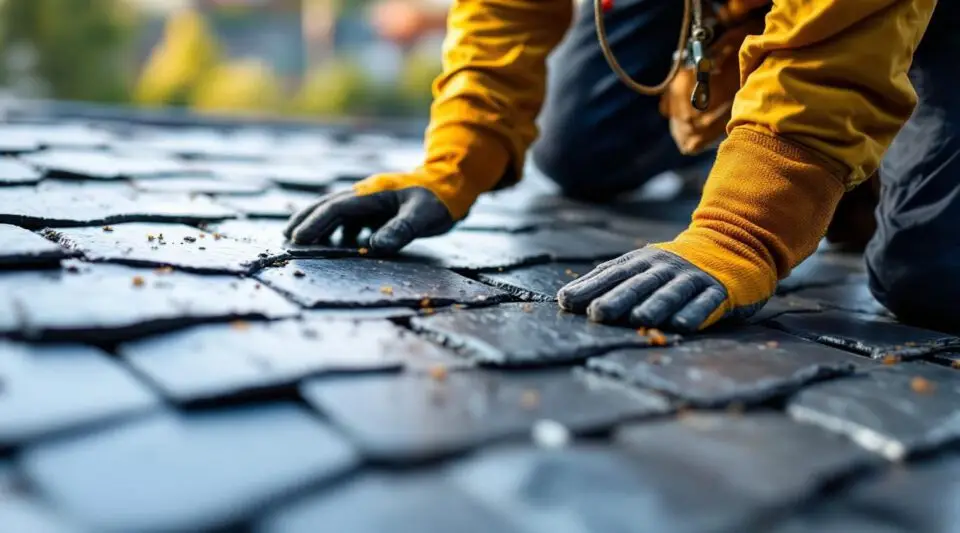
When you invest in a commercial slate roof for your property in South Jordan, you are making a generational capital decision.
Learn more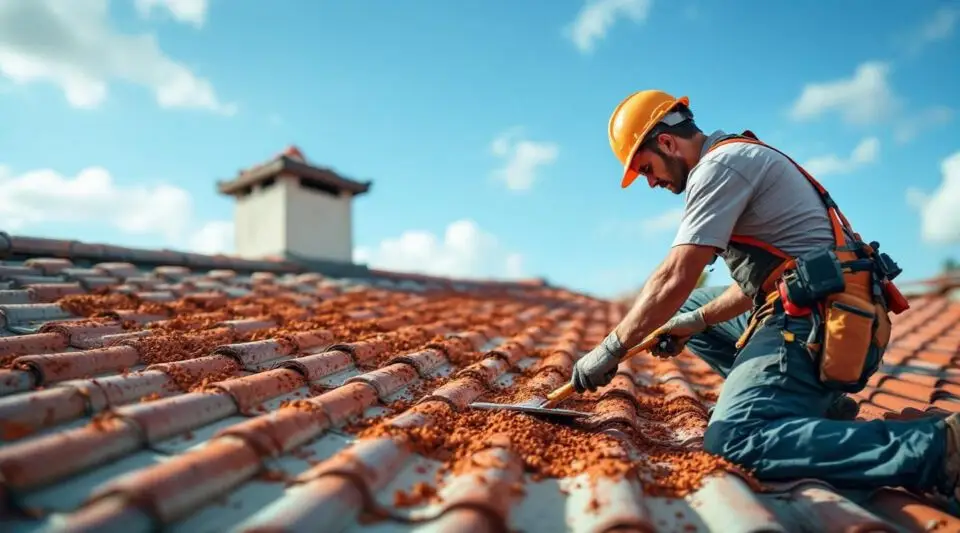
Commercial structures along the Wasatch Front demand roofing systems that do more than shed water; they must withstand intense alpine UV radiation, heavy snow loads, and rapid temperature swings.
Learn more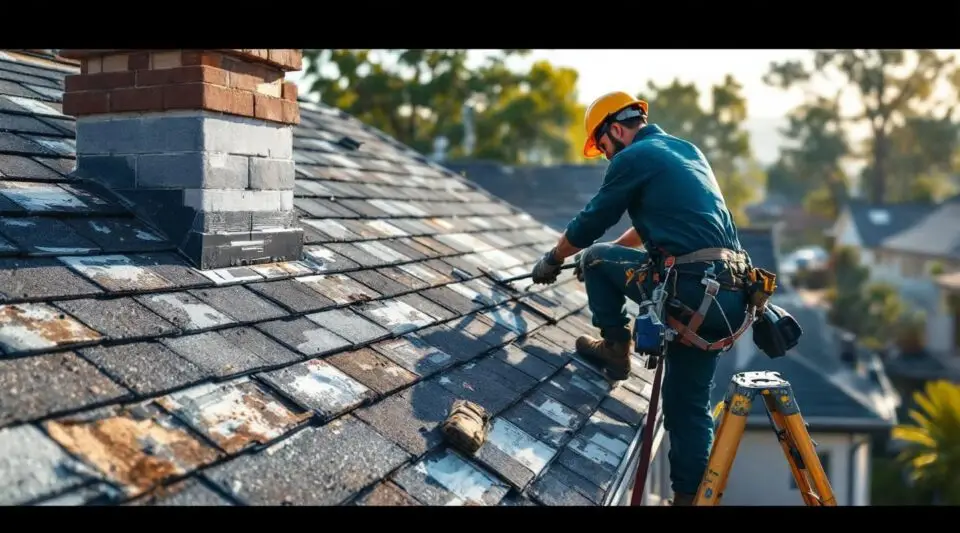
Commercial properties along the Wasatch Front demand roofing systems that can withstand intense high-altitude UV exposure and rapid freeze-thaw cycles.
Learn more
Flat commercial roofs along the Wasatch Front face a brutal combination of high-altitude UV rays and extreme freeze-thaw cycles.
Learn more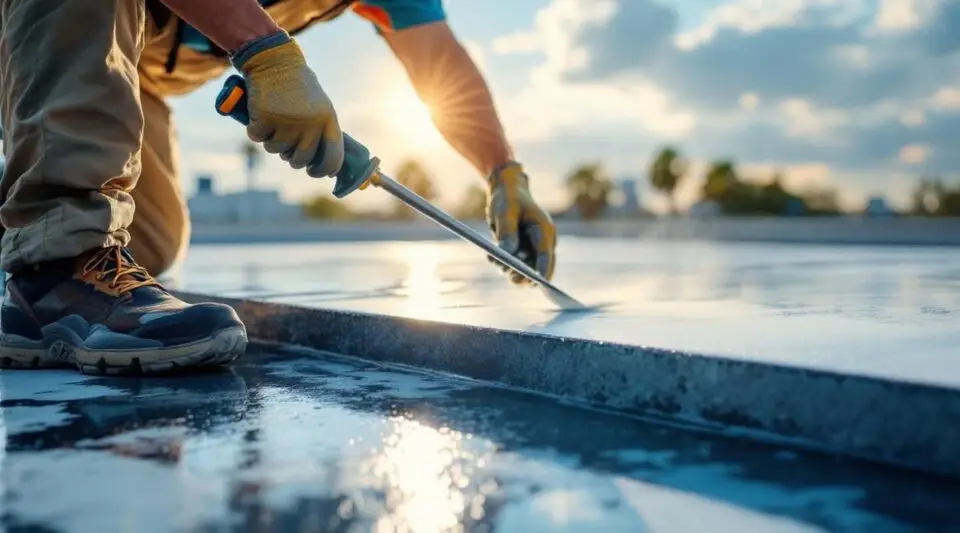
Commercial flat roofs along the Wasatch Front face brutal environmental stress.
Learn moreAfter getting a roof inspection, they recommended replacing the shingles. The job was done on time, and the new roof looks fantastic.
Angelia Eichelberger
We had an issue with our roof leaking at the office, and they came in, replaced the shingles, and fixed the damage. Professional and reliable.
Beatrice Taylor
Santa Ana Roofing just put a new roof on our house. They gave a clear quote and a schedule that made sense. The workers worked hard every day and kept the job site clean. A professional put the roof on, and it looks great. Everything seemed easy and well-planned.
Anna Miller
We hired Santa Ana Roofing to fix our flat roof. They talked about the materials they used and made sure the sealing was done correctly. The process went well, and the results have stayed nice.
Linda Gregory
This roofing company went above and beyond what I expected. They employed high-quality materials, kept us updated on the project's progress, and finished ahead of schedule. The new roof looks great, and I trust the work they did.
Debbie Land